
There’s something slightly strange about how we approach education.
We talk about curriculum, exam technique, revision schedules…
But we don’t talk about the single thing that has one of the biggest impacts on whether a student succeeds.
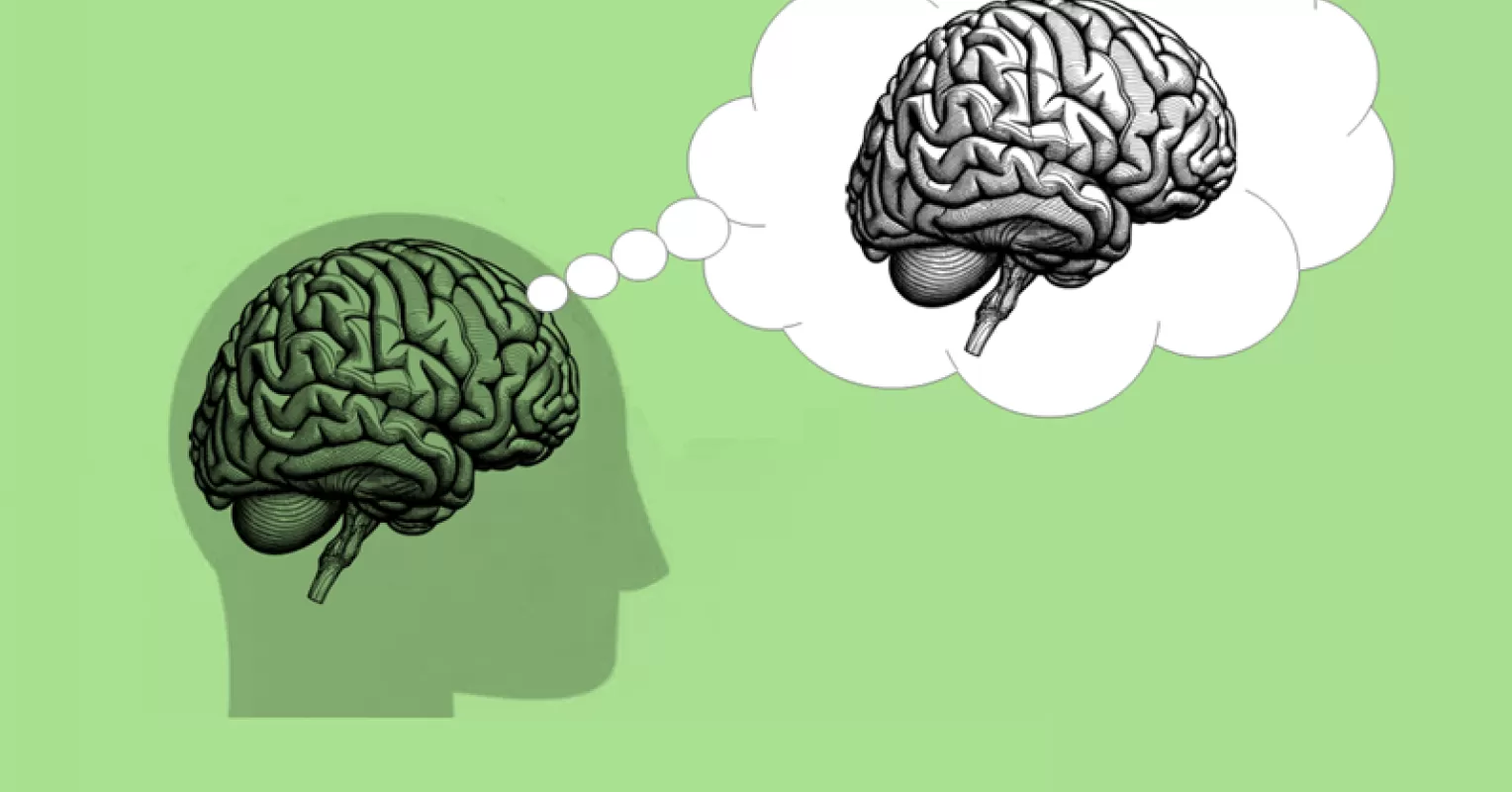
That thing is metacognition.
It sounds technical but it really isn’t.
It simply means:
Knowing how you learn, and being able to control it.
And the research behind it is strong.
What Metacognition Actually Means
You might hear it described as “thinking about thinking.” That’s true, but it doesn’t quite capture it.
In the classroom, metacognition looks like this:
A student can:
-
recognise what kind of task they’re facing
-
choose a strategy deliberately
-
notice if it isn’t working
-
adjust without panicking
-
reflect on what they’d do differently next time
That’s it.
It’s not about being clever.
It’s not about memorising more.
It’s about being aware of what your brain is doing.
Psychologist John Flavell (1979) described two parts to this:
-
Metacognitive knowledge — knowing what strategies exist and when to use them
-
Metacognitive regulation — planning, monitoring, and evaluating while learning
In simple terms:
It’s not just doing the work.
It’s knowing what you’re doing while you’re doing it.
And that changes everything.
The Evidence Is Huge
This isn’t just teacher enthusiasm.
The Education Endowment Foundation ranks metacognition and self-regulated learning among the highest-impact strategies available, with an average of +7 to +8 months of additional progress (EEF, 2021).
John Hattie’s large-scale research synthesis places metacognitive strategies at an effect size of around 0.69, well above what is considered “high impact” (Hattie, 2009).
Let me translate that.
Teaching students how to think about their learning can have a bigger impact than many interventions we obsess over.
And this is particularly powerful in maths and science, where success depends less on remembering facts and more on:
-
recognising structures
-
selecting the right method
-
checking reasoning
-
adjusting when something doesn’t make sense
Why Don’t We Teach It More?
Honestly? Because I think its because it’s invisible.
As teachers, we solve problems automatically.
We look at a question and instantly recognise:
-
“Ah, this is a Pythagoras problem.”
-
“This needs conservation of energy.”
-
“This is a rate question.”
But students don’t see that structure yet.
What looks “obvious” to us is often completely hidden to them – a classic case of expert vs novice thinker.
So when a student makes what looks like a careless mistake, it’s often not carelessness.
It’s that they didn’t recognise what the task required.
We show them the polished method but rarely show them how we decided on that method. That invisible thinking layer — that’s metacognition and unless we model it, students don’t develop it.